Owning a pre-owned vehicle is one of the smartest financial decisions a driver can make, allowing you to avoid the steep depreciation curve that hits brand-new cars the moment they leave the dealership lot. However, driving a vehicle that already has tens of thousands of miles on the odometer often means living with the subtle signs of wear and tear left behind by previous owners. Scuffed interior plastics, faded paint, sluggish acceleration, and mysterious rattles can make an otherwise reliable vehicle feel tired and outdated.
Fortunately, you do not need to trade in your current ride or spend a fortune to recapture that fresh-off-the-lot feeling. With a strategic approach that blends mechanical upkeep, cosmetic restoration, and modern technology upgrades, you can breathe new life into an older vehicle. Whether you recently purchased a budget-friendly commuter or you simply want to fall back in love with the daily driver you have owned for years, refreshing your used car increases driving enjoyment, improves safety, and protects your long-term investment.
Establishing a Solid Mechanical Baseline
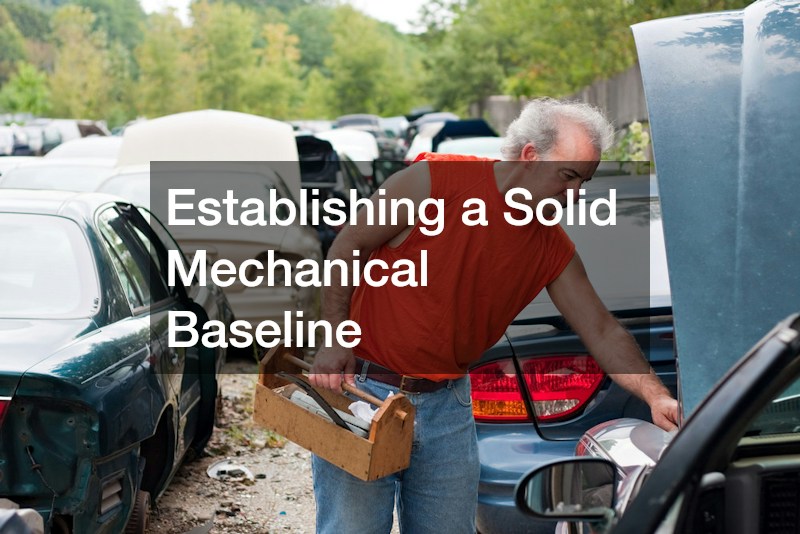
Before you spend a single dollar on custom wheels, upgraded audio systems, or exterior detailing, you must ensure the vehicle is mechanically sound. A shiny exterior means very little if the engine is misfiring or the suspension is worn out. Starting with the mechanical fundamentals gives you peace of mind and establishes a clean slate for future upkeep.
Performing a Complete Fluid and Filter Overhaul
When you buy a used car, service records are often incomplete or missing entirely. Even if the previous owner claimed to stay on top of routine care, you should never take their word for it when the longevity of your powertrain is on the line. Baseline servicing is the foundation of responsible automotive maintenance, and it begins with draining and replacing every vital fluid in the vehicle.
- Engine Lubrication: Schedule a full oil change using the exact viscosity and synthetic grade recommended in the factory owner’s manual, and always pair it with a high-quality OEM or equivalent filter.
- Transmission Fluid: Drain and fill the automatic or manual transmission fluid to restore crisp shifting and prevent premature wear on internal gears and clutch packs.
- Coolant System: Flush old, acidic antifreeze and replace it with fresh coolant to prevent radiator corrosion and summer overheating.
- Brake Fluid: Bleed the brake lines until clear, fresh fluid flows from every caliper, which eliminates spongy pedal feel and protects the ABS module from internal moisture damage.
- Air and Cabin Filters: Swap out a clogged engine air filter to restore lost horsepower and fuel economy, and install an activated-carbon cabin filter to eliminate musty odors from the ventilation system.
Inspecting Belts, Hoses, and Ignition Components
Rubber components degrade over time due to constant heat cycles under the hood, regardless of how gently the car was driven. Pop the hood and carefully inspect the serpentine belt for cracks, fraying, or glazing on the ribbed surface. Squeeze the upper and lower radiator hoses to ensure they feel firm and pliable rather than mushy or brittle. While inspecting the engine bay, pull a spark plug to check its electrode condition; worn plugs and aging ignition coils are frequent culprits behind rough idling and sluggish throttle response.
If you are not comfortable diagnosing under-hood wear yourself, pay a trusted independent mechanic to perform a comprehensive multi-point inspection. A seasoned technician can put the vehicle on a lift to inspect wheel bearings, ball joints, tie rod ends, and CV axle boots that are impossible to check from ground level. Fixing a torn rubber boot or a worn bushing early prevents catastrophic component failure down the road.
Evaluating Major Powertrain Upgrades and Replacements
Sometimes, refreshing a high-mileage vehicle goes beyond routine tune-ups, particularly if you have purchased a classic project car or a dependable chassis with a tired motor. Enthusiasts looking to transform sluggish commuters into reliable sleepers often research engine and swap packages 3800 to give older General Motors platforms a legendary boost in torque and durability. Whether you are dropping in a fresh crate motor, rebuilding a worn cylinder head, or upgrading to a low-mileage used drivetrain, addressing core powertrain health turns an aging car into a dependable machine capable of another hundred thousand miles.
Preparing for Unexpected Roadside Emergencies
Even the most thoroughly refreshed used car can experience an unexpected hiccup, such as a punctured tire, a dead alternator, or a failed fuel pump. Building a dedicated emergency kit for your trunk ensures you are never caught off guard during a late-night commute or a weekend road trip.
- Power and Lighting: Pack a compact lithium-ion jump starter pack, a high-lumen LED flashlight, and a set of reflective road triangles.
- Tire Care: Check the air pressure in your spare tire, verify that the factory lug wrench and scissor jack are present, and add a portable 12-volt air compressor and tire plug kit.
- Coverage Plans: Enroll in a reliable roadside assistance program so you have 24/7 access to lockout help, jump starts, and flat tire changes.
- Transport Contingency: Keep the contact information for reputable local towing services saved in your phone, ensuring you can safely transport your vehicle to your preferred repair facility without paying predatory dispatch rates.
Restoring Exterior Shine and Structural Integrity

Once the mechanical systems are dialed in, turning your attention to the exterior will yield the most dramatic visual transformation. Years of exposure to ultraviolet rays, road salt, gravel, and automated car washes leave behind a dull finish and minor structural blemishes that age a vehicle prematurely.
Executing a Multi-Stage Paint Decontamination and Correction
Washing a neglected car with dish soap and a sponge will not remove years of embedded grime. To truly refresh your paintwork, you need to strip away bonded contaminants before polishing the clear coat back to a mirror-like gloss.
- Two-Bucket Wash: Wash the vehicle thoroughly using pH-neutral car shampoo, a microfiber wash mitt, and two buckets fitted with grit guards to avoid dragging dirt across the paint.
- Iron and Tar Removal: Spray a dedicated iron fallout remover onto the painted panels and wheels to dissolve embedded brake dust particles, followed by a tar remover along the lower rocker panels.
- Clay Bar Treatment: Lubricate the surface with detailing spray and gently glide a fine-grade detailing clay bar over the paint to pull out stubborn sap and industrial overspray, leaving the surface glass-smooth.
- Machine Polishing: Use a dual-action polisher with a medium-cut compound to remove swirl marks and light oxidation, then follow up with a finishing polish to maximize depth and clarity.
- Long-Term Protection: Lock in your hard work by applying a durable ceramic coating or a high-grade synthetic paint sealant that repels water and blocks harmful UV radiation.
Addressing Dents, Scratches, and Glass Damage
Door dings from crowded parking lots and stone chips on the hood are inevitable on a pre-owned car, yet removing them instantly makes the vehicle look years younger. For shallow dings where the factory paint remains intact, paintless dent repair is a fast, cost-effective solution that preserves your original finish. Many automotive enthusiasts even take weekend courses in dent removal training to learn how to massage out minor creases using specialized metal rods and knockdown tools.
For deeper gouges, rusted wheel arches, or collision damage that cannot be fixed in a home driveway, scheduling an estimate at a reputable body shop is the best course of action. Professional technicians can color-match modern multi-stage paints seamlessly so repaired panels blend invisibly with the rest of the vehicle. Additionally, never ignore chips or fractures in your glass; seeking prompt cracked windshield replacement restores structural rigidity to the cabin roof and eliminates dangerous glare when driving into low sun or oncoming headlights.
Rejuvenating Faded Trim, Wheels, and Headlights
Dull gray plastic bumpers and yellowed, hazy headlights make even a freshly waxed car look worn out. Oxidized polycarbonate headlight lenses also drastically reduce nighttime visibility, creating a genuine safety hazard. You can restore crystal-clear optics in under an hour by wet-sanding the lenses with progressively finer sandpaper grits (1000, 2000, and 3000), polishing them with plastic compound, and sealing them with a UV-blocking clear coat so they do not yellow again.
For faded black exterior trim, cowl panels, and mirror housings, apply a dedicated trim restorer or ceramic trim coating rather than greasy silicone dressings that wash off in the first rainstorm. Finally, remove your wheels one by one to clean the inner barrels with non-acidic wheel cleaner, touch up curb rash on alloy rims, and dress the tire sidewalls with a satin water-based protectant. If bumper covers are heavily scuffed or peeling, local auto body services can refinish those specific plastic components for a fraction of the cost of a full respray.
Deep Cleaning and Modernizing the Cabin

You spend all your driving time inside the vehicle, which makes interior rejuvenation the most rewarding part of refreshing a used car. Eliminating lingering odors, worn touchpoints, and outdated electronics will make your daily commute feel vastly more comfortable and upscale.
Performing a Deep Extraction of Carpets and Upholstery
Vacuuming surface crumbs is only the beginning of an interior refresh. Years of spilled coffee, sweat, and pet dander become trapped deep within seat foam and carpet fibers, creating persistent odors that air fresheners merely mask.
- Seat Removal: If you have basic hand tools, unbolting and removing the front seats gives you unobstructed access to the center console tracks and floorboards where decades of debris accumulate.
- Carpet Extraction: Mist soiled carpets and floor mats with an enzyme-based fabric cleaner, agitate the fibers with a drill-mounted soft bristle brush, and extract the dirty moisture using a heated carpet extractor or wet-dry shop vacuum.
- Leather Conditioning: Clean leather seats with a gentle pH-balanced leather cleaner and a horsehair brush to lift body oils that cause leather to look shiny and stiff, then apply a matte leather conditioner to restore suppleness.
- Headliner Care: Gently wipe down stained headliner fabric using a microfiber towel lightly dampened with diluted upholstery cleaner, taking care not to oversaturate the backing board and cause the fabric to sag.
- Odor Elimination: Run an ozone generator inside the closed vehicle for thirty minutes (followed by thorough airing out) to permanently neutralize stubborn smoke or pet smells trapped inside the ventilation ducts.
Replacing Worn Interior Touchpoints
Certain components in a cabin take a beating every single day, and replacing them offers huge tactile satisfaction for minimal expense. Over time, steering wheel leather wears smooth, shift knobs become scratched, and rubber pedal pads wear down to bare metal.
Installing a custom-stitched leather steering wheel cover, swapping in a weighted OEM replacement shift knob, and snapping new rubber pads onto the brake and clutch pedals immediately improve how the car feels in your hands and under your feet. Replace saggy sun visors, broken center console latches, and worn-out trunk struts that no longer hold the hatch open on cold mornings. Swapping dingy yellow incandescent dome and map bulbs for crisp, warm-white LED bulbs also elevates the cabin ambiance at night without looking overly harsh.
Upgrading Infotainment and Cabin Technology
One of the biggest giveaways of an older vehicle is an outdated stereo head unit lacking smartphone integration, Bluetooth streaming, or a backup camera. Fortunately, modern aftermarket electronics make it easy to bring a ten- or fifteen-year-old dashboard up to current standards.
- Smartphone Integration: Install a double-DIN touchscreen receiver featuring wireless Apple CarPlay and Android Auto, allowing you to use modern navigation apps, voice-to-text messaging, and music streaming safely.
- Backup Camera: Wire a high-definition license-plate-mounted backup camera into your new head unit to make parallel parking and reversing out of tight spaces effortless.
- Dash Cam Hardwiring: Mount a front-and-rear dash camera near the rearview mirror and hardwire it to the interior fuse box so the cables remain completely hidden behind the A-pillar trim.
- Charging Ports: Replace an unused 12-volt cigarette lighter socket with a flush-mount USB-C fast-charging outlet to keep modern devices powered up on long drives.
Dialing In Ride Quality and Handling
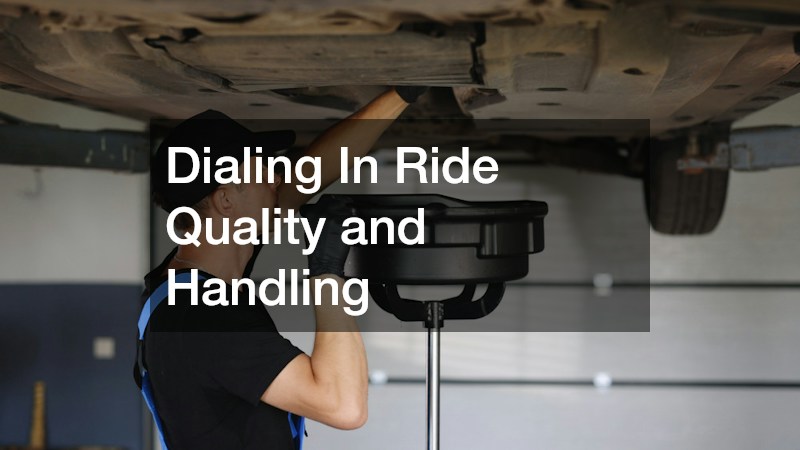
A truly refreshed used car does not just look clean and run reliably; it also tracks straight down the highway without squeaks, clunks, or excessive body roll. Worn suspension and steering components degrade so gradually that previous owners often fail to notice how sloppy the handling has become.
Refreshing Shock Absorbers, Struts, and Bushings
Shock absorbers and struts are wear items that typically lose much of their damping efficiency after 60,000 to 80,000 miles. When dampers wear out, the vehicle bounces excessively over bumps, dives sharply under hard braking, and feels unsettled during lane changes.
Installing a fresh set of OEM-replacement struts, shocks, and strut mounts restores tight, composed body control and improves tire contact with the pavement. While the suspension is apart, inspect the sway bar end links and sway bar bushings; these inexpensive parts are notorious for causing annoying clunking noises over small road imperfections, and replacing them transforms cabin quietness.
Choosing the Right Tires and Getting a Four-Wheel Alignment
Tires are the only part of your vehicle that actually touches the road, making them the single most impactful upgrade for safety, ride comfort, and handling precision. Check the four-digit DOT date code stamped on the sidewall of your current tires; even if plenty of tread remains, rubber hardens and loses grip once tires pass five or six years of age.
Invest in a matched set of quality all-season or summer touring tires suited to your regional climate, rather than mixing mismatched budget brands across axles. Immediately after mounting new tires and replacing any worn suspension parts, schedule a precision four-wheel alignment. Proper camber, caster, and toe settings ensure the steering wheel sits dead center, eliminate wandering on the highway, and prevent uneven tread wear that would ruin your new tires prematurely.
Maintaining Your Refreshed Vehicle for the Long Haul
Refreshing a used car is a rewarding project that transforms a tired daily driver into a vehicle you are proud to own and drive. Once you have invested the time and effort to restore its mechanical reliability, exterior gloss, and cabin comfort, preserving that condition becomes remarkably easy.
Establish a simple seasonal habit of washing away road grime, checking fluid levels once a month, vacuuming the floorboards every couple of weeks, and addressing minor issues the moment they appear. By treating your refreshed vehicle with consistent care, you will enjoy years of dependable, comfortable, and rattle-free motoring while squeezing maximum value out of every mile.
About the Author