Navigating the process of purchasing a pre-owned vehicle for the very first time can feel both thrilling and intimidating. Walking onto the lot of a professional establishment requires a mix of preparation, patience, and realistic expectations. Knowing how to approach the experience empowers you to make a financially sound decision while driving away in a vehicle that meets your everyday needs.
Before setting foot on the property, your first priority should be establishing a clear and realistic budget. Determine not only the maximum purchase price you can afford but also the ongoing costs associated with owning a vehicle.
Monthly payments are only a portion of the total financial equation; you must also factor in auto insurance, routine maintenance, fuel costs, state registration, and potential emergency repairs. Obtaining pre-approved financing from a bank or credit union prior to your visit provides a solid baseline for your budget. Having a pre-approval letter in hand gives you leverage during negotiations and keeps you grounded when looking at vehicles that might exceed your planned spending limit.
Researching vehicles ahead of time is equally critical. Identify two or three models that suit your lifestyle, whether you need a fuel-efficient sedan for daily commuting or a spacious SUV for weekend trips. Look up average market values, common reliability issues, and safety ratings for specific model years. Understanding the market value of the vehicles you are interested in ensures that you can recognize a fair price when you see one. When visiting reputable used car dealerships, sharing your specific research with the sales team helps focus the search on options that truly match your criteria rather than whatever model happens to be front and center on the lot.
When you find a car that catches your eye, a thorough visual and functional inspection is necessary. Begin by checking the exterior in bright daylight, looking for uneven gaps between body panels, mismatched paint, or signs of rust, all of which could indicate prior accident damage or poor maintenance. Inspect the condition of the tires to ensure the tread is wearing evenly across all four wheels, as uneven wear often signals alignment or suspension issues. Step inside the cabin to test every electronic component, including the power windows, air conditioning, heater, infotainment system, and exterior lights.
Never skip the test drive, as it is your best opportunity to evaluate how the vehicle performs under real-world conditions. Drive the car on a variety of road surfaces, including local streets with stop-and-go traffic and higher-speed highways. Pay close attention to how the engine sounds during acceleration, how smoothly the transmission shifts, and how responsive the brakes feel. Listen for any unusual noises such as squeaking, clunking, or grinding. Test the steering responsiveness by making full turns at low speeds to check for grinding or stiffness in the power steering assembly.
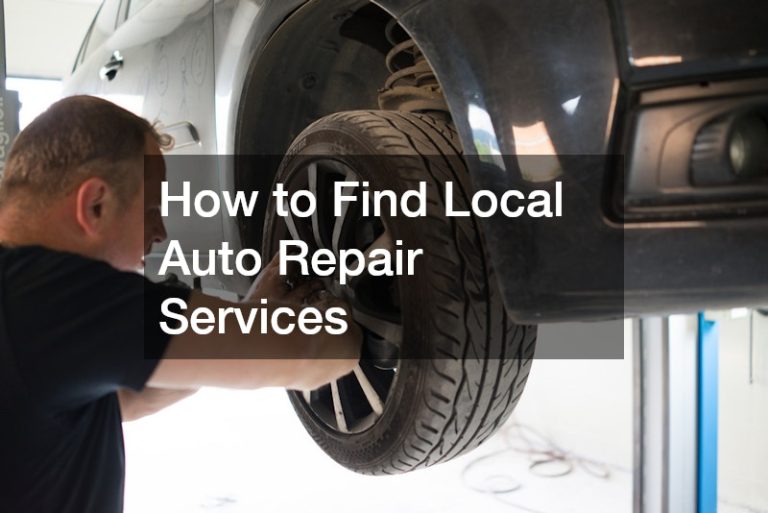
Requesting a comprehensive vehicle history report is a non-negotiable step in the buying process. A standard history report provides essential background information, including past title transfers, accident history, service records, and whether the vehicle was previously used as a rental or commercial fleet car. While history reports are extremely useful, they do not guarantee that every minor event was recorded. For complete peace of mind, arrange for an independent pre-purchase inspection by a trusted mechanic. A qualified technician can hoist the car on a lift to inspect the undercarriage, brake lines, suspension components, and engine bay for hidden defects or past structural repairs that a casual glance might miss.
When you are ready to move forward, approach the price discussion with confidence and composure. Focus on the total out-of-the-door price rather than just the monthly payment figure, as focusing solely on monthly costs can mask extended loan terms or added fees. Be prepared to ask about dealer documentation fees, taxes, and secondary charges before signing any agreements. Establishing a clear understanding of all fees allows you to evaluate the full scope of the transaction accurately.
Finally, remember that you always have the right to step away from the table if the numbers do not line up with your expectations or if you feel rushed. Visiting used car dealerships with thorough preparation, independent inspection results, and clear budget limits puts you in complete control of your buying decision, ensuring a successful first-time vehicle purchase.

About the Author