
Recycling copper scrap is not only an environmentally sound practice, but it can also be a lucrative venture for both individuals and businesses. Understanding the recycling process and potential returns can convert what many consider waste into substantial revenue. This article delves into the value of copper, offering insights into effective recycling strategies and the economic benefits derived from diligent collection and sales efforts.
Copper, with its superior electrical conductivity and malleability, is a highly sought-after material in various industries, from electronics to construction. As global copper reserves dwindle, the role of recycling in preserving this precious metal becomes increasingly vital. This article aims to equip readers with practical knowledge to tap into the recycling landscape, ensuring they benefit both financially and environmentally from their efforts.
By transforming copper scrap into valuable returns, you can contribute to a more sustainable future while optimizing resource use. As you explore the article, you will learn the best methods to source, collect, and sell copper scrap efficiently. With the right approach, your venture into copper recycling can transform seemingly worthless materials into an asset that supports both your bottom line and the planet.
1. What Are the Best Ways to Collect Copper Scrap?
1.1 Identifying Sources of Copper Scrap
Copper can be sourced from a variety of common household and industrial products. Old electronics, such as computers and televisions, often contain copper wiring that can be collected. Plumbing installations also contain copper pipes and fittings, which are valuable scrap sources. Construction and demolition sites are excellent locales to find copper debris, typically from electrical systems and infrastructure. By establishing relationships with construction companies or local contractors, you can gain access to a steady supply of copper scrap.
Electrical equipment and appliances are particularly fruitful for copper scrap collectors due to the abundance of copper components within them. Copper motors, coils, and wiring are frequently utilized in such devices, adding to their scrap value. Many municipalities sponsor electronic recycling events where individuals can drop off old items, which can serve as an excellent opportunity for sourcing copper. Additionally, within the automotive industry, copper is prevalent in vehicles’ wiring harnesses and cooling systems, providing another avenue for collection. Understanding and identifying these diverse sources of copper scrap will enhance your collection efforts considerably.
Once you have identified potential sources, creating a strategic collection plan is essential. Dedicate specific days to visit and check these locations regularly to maximize the amount of copper you can collect over time. Keeping an eye on local adverts for scrap or hosting opportunities can also lead to lucrative finds. Building a network among local businesses and repair shops can reveal further hidden gems of copper scrap. By consistently monitoring these potential resources, you ensure a steady stream of materials to process and sell.
2. How Can You Maximize the Value of Your Copper Scrap?
2.1 Sorting and Cleaning Copper Scrap
To fully capitalize on your copper scrap, meticulous sorting and cleaning are non-negotiable. Once collected, organize your scrap into separate piles based on the type of copper and any accompanying non-copper materials. For instance, wire cables, copper plumbing, and sheets of copper can all be sorted independently. Use magnets to identify ferrous metals, which are magnetic and should be separated from valuable non-ferrous metals like copper. This step is essential to ensure that you get the best price for your scrap, as buyers often pay more for sorted and untainted material.
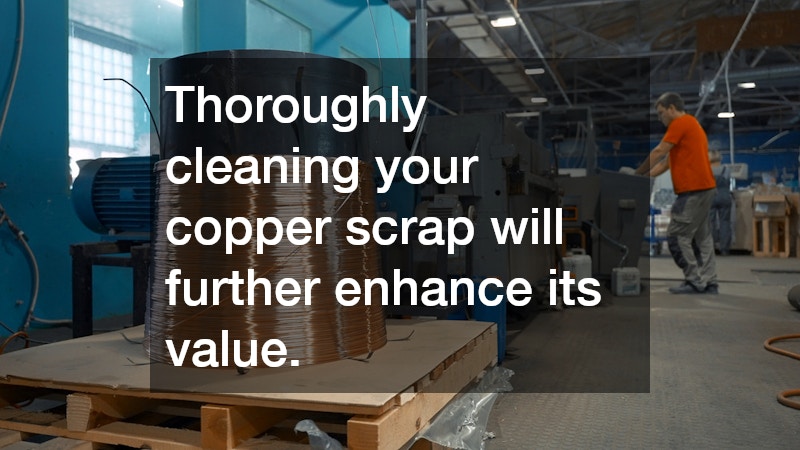
Thoroughly cleaning your copper scrap will further enhance its value. Begin by removing any stickers or plastic coatings from copper wires and pipes, as clean material fetches a higher value. For copper that’s oxidized or patinated, soaking or wiping them with a mix of vinegar and salt may improve their appearance and perceived cleanliness. Additionally, having copper completely devoid of foreign materials like screws or bolts maximizes its scrap value. A handheld grinder or steel wool can be used to clean stubborn residues, ensuring your copper is presented in its purest form.
Ultimately, thoroughly sorted and cleaned copper scrap provides greater returns due to fewer impurities and higher purity levels. This aspect of preparation is often overlooked but is pivotal in differentiating your copper from less valuable scrap. Clean and categorized materials attract higher offers from recycling centers since they require less processing post-purchase. Consistently employing these methods ensures you unlock the highest possible economic benefits from your copper recycling endeavors. The meticulous effort in sorting and cleaning pays off prominently when it’s time to sell your collection.
3. Where and How to Sell Your Copper Scrap for Maximum Returns?
3.1 Finding Reliable Buyers or Recycling Centers
Finding reliable buyers or recycling centers is essential for selling copper scrap for maximum returns. Initiate your search by exploring local recycling facilities, which may offer competitive buying prices and process significant scrap volumes regularly. Conducting background research and checking reviews and testimonials highlights their credibility. Networking among peers in the scrapping and recycling sectors opens doors to negotiated deals and collaborations. Building steady partnerships with honest buyers or reliable traders results in sustainable, long-term profits derived from consistent, mutually beneficial transactions.
Industry-specific resources like online metal trading platforms or forums dedicated to scrap trading supplement your search for trustworthy buyers. These platforms allow sellers to connect with established professionals, offering transparency regarding market dynamics and price changes. Furthermore, attending industry trade shows, expos, and conferences grants direct access to recycling decision-makers and purchasing experts. Face-to-face introductions expedite trust-building while creating opportunities for negotiating more favorable terms. Being proactive in exploring diverse marketing channels distinctly enhances successful connections within the recycling industry.
As you execute your copper recycling strategy, maintain a mindset of continuous learning and adaptation. Stay informed of emerging trends, technological advances, and evolving regulations to remain competitive and compliant within the copper market. Engaging with industry networks and forums enriches knowledge exchange while enhancing opportunities for collaborative ventures. By taking these principles and guidelines to heart, you endeavor to shape a thriving business model that benefits both financially and ethically. Dive into the copper scrap venture today, with renewed ambition and purpose toward turning waste into wealth.
About the Author